The First 10 Minutes: What to Do Right Now
Move fast. Skip nothing on this list.
- Shut off the main water valve. Usually in the basement, crawlspace, or near the water heater. Turn clockwise until it stops.
- Kill power to wet areas. Flip breakers for any room with standing water or wet ceilings.
- Open the lowest faucet in the house. This drains pressure from the system and slows the leak.
- Photograph everything. Wide shots, close-ups, water lines on walls, soaked contents. Time-stamped.
- Call a 24/7 restoration company. Then call your insurance carrier. In that order.
Do not wait for the pipe to thaw before calling. Damage is already happening behind the walls.
Why Pipes Burst in Centerville Winters
Frozen pipe failures are not random. They cluster around predictable weak points.
- Uninsulated pipes running through exterior walls
- Crawlspace and attic supply lines
- Garage walls with plumbing on the cold side
- Hose bibs that were not disconnected before the freeze
- Vacant rental properties with heat turned too low
- Pipes near foundation cracks where cold air leaks in
When water freezes, it expands roughly 9 percent. That pressure builds between the ice plug and a closed faucet until something splits. Copper splits cleanly. PEX often pops at fittings. Galvanized steel can crack along seams.
Common Burst Locations We See in Centerville Homes
- Kitchen sink supply lines on exterior walls
- Washing machine hookups in unheated laundry rooms
- Basement ceiling pipes feeding upstairs bathrooms
- Outdoor spigots with frozen anti-siphon valves
- Fire suppression sprinkler lines in commercial buildings
- Boiler and radiator feed lines in older homes
For commercial properties, the stakes climb fast. Our commercial water restoration team handles after-hours burst calls at offices, retail spaces, and warehouses across the region.
Preventing the Next Burst Before March
- Insulate pipes in crawlspaces, attics, and exterior walls
- Disconnect garden hoses and shut off exterior spigots
- Keep cabinet doors open under sinks on cold nights
- Let faucets drip a pencil-thin stream when temps drop below 15 degrees
- Keep your thermostat at 55 degrees minimum, even when traveling
- Know where your main shut-off is and test it twice a year
- Seal foundation cracks and rim joist gaps that let cold air in
- Install a smart leak detector near washing machines and water heaters
- Add heat tape to pipes in chronically cold zones
- Have a plumber pressure-test your system every few years
What This Costs in Centerville
Frozen pipe repair varies with how far the water traveled and how long it sat. Realistic ranges:
- Minor burst, single room, fast response: $1,500 to $3,500
- Moderate damage, two rooms or ceiling involvement: $4,000 to $9,000
- Major loss, multi-level or extended saturation: $10,000 to $25,000+
- Plumbing repair itself: typically $300 to $1,500 separate from restoration
- Contents cleaning and pack-out: $500 to $5,000 depending on volume
- Hardwood floor refinishing or replacement: $6 to $14 per square foot
Homeowners insurance usually covers sudden and accidental burst pipe damage. It generally does not cover damage from pipes that froze because heat was off in a vacant property. Document the indoor temperature and your heating history.
Insurance Claim Documentation Checklist
- Photos and video of all affected areas before any cleanup
- List of damaged contents with approximate values
- Thermostat photo showing heat was on
- Receipts for emergency mitigation
- Plumber invoice for the burst repair
- Restoration company moisture logs and scope of work
- Police or fire report if applicable
- Utility bills showing active service during the freeze
- Written statement of when the loss was discovered and reported
Adjusters move faster when paperwork is clean. We provide IICRC-aligned documentation that carriers recognize.
Mistakes That Cost Homeowners Thousands
We see the same avoidable errors on nearly every winter call. Skip these.
- Using a hair dryer or open flame to thaw a frozen pipe
- Turning the water back on before the repair is verified
- Tossing soaked contents before the adjuster sees them
- Running household fans on wet carpet instead of professional air movers
- Ignoring wet insulation because it looks dry on the surface
- Signing a contractor agreement before reading the assignment of benefits clause
- Skipping moisture readings and assuming a room is dry because it feels dry
How Long You Have Before Mold Starts
The clock starts the second water hits drywall or wood. Knowing the timeline helps you push back when an adjuster suggests waiting.
- 0 to 24 hours: Water spreads, drywall paper swells, finishes lift
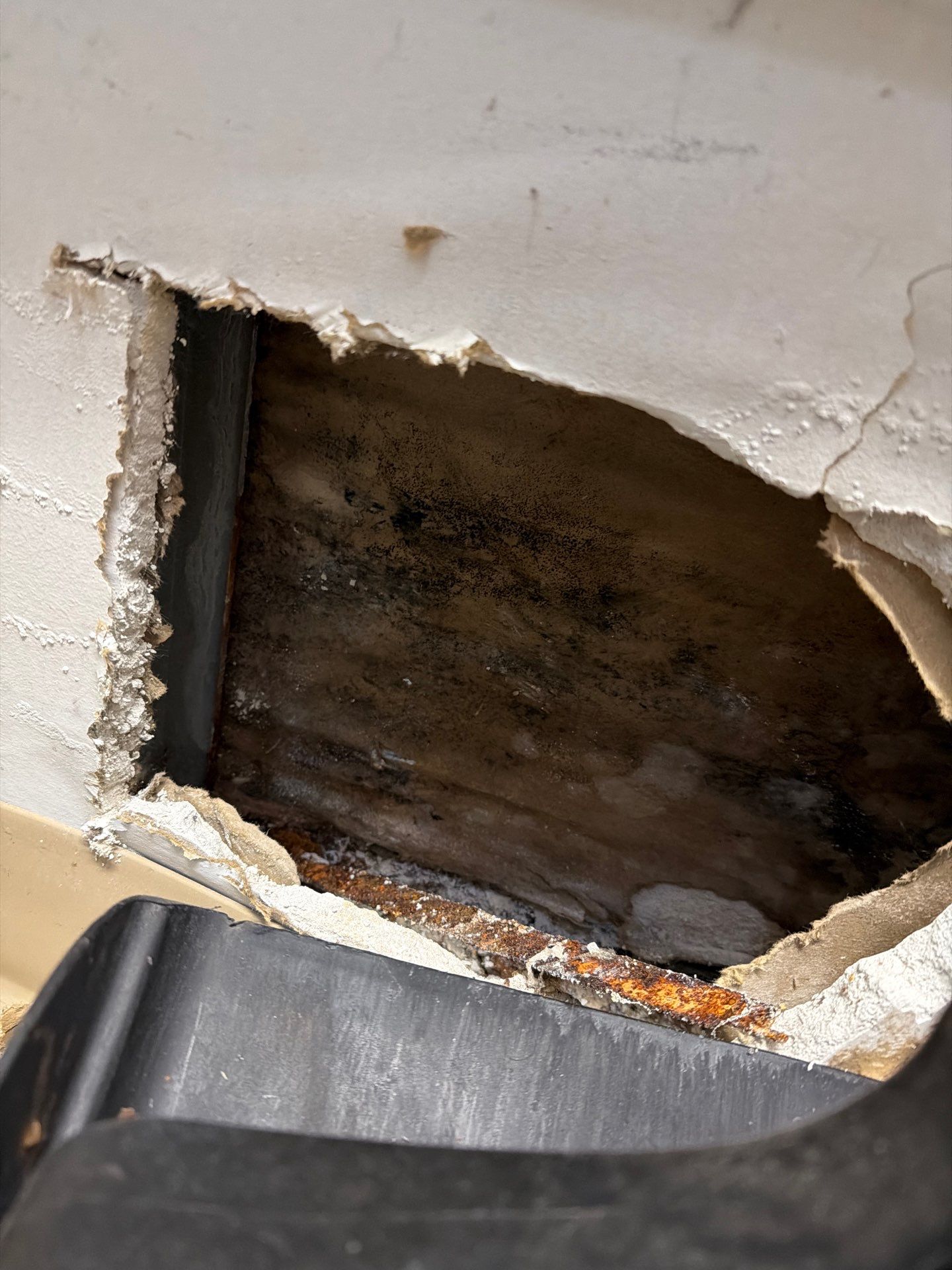
- 24 to 48 hours: Mold spores activate on cellulose surfaces
- 48 to 72 hours: Visible mold colonies form in dark cavities
- Day 4 and beyond: Category 1 clean water reclassifies as Category 2 or 3
- Week 1: Structural framing begins to lose integrity in saturated zones
This is why we do not wait for permission to start drying. Mitigation is a covered mandate under most policies, not an optional service.
Signs the Damage Is Worse Than You Think
Visible water is only part of the problem. Watch for these red flags.
- Ceiling sagging or bulging in any room below the burst
- Warm or damp drywall to the touch
- Discoloration spreading along baseboards
- A musty smell within 24 to 48 hours
- Hardwood floors cupping or crowning
- Carpet pad that squishes underfoot well beyond the visible wet area
- Light fixtures with water inside the housing
- Doors that suddenly stick in their frames from swollen jambs
- Nail pops or seam cracks appearing in ceilings days later
Water travels along the path of least resistance. A burst on the second floor can drip down two levels before showing up in your finished basement.
The Professional Repair Process Step by Step
- Emergency water extraction. Truck-mounted units pull standing water in the first hour. Detailed in our water extraction services guide.
- Moisture mapping. Thermal cameras and pin meters find hidden saturation behind walls and under floors.
- Controlled demolition. Wet drywall is cut, insulation removed, and baseboards pulled where saturation exceeds drying thresholds.
- Structural drying. Commercial air movers and dehumidifiers run 3 to 5 days. Daily moisture readings document progress.
- Antimicrobial treatment. Applied to framing and subfloors to prevent mold growth.
- Contents handling. Salvageable furniture, electronics, and documents are inventoried, packed out, and stored in climate-controlled facilities.
- Reconstruction. Drywall, paint, flooring, and trim restored to pre-loss condition.
When to Call Centerville Water Restoration
Call immediately if any of these apply:
- Water is actively flowing or dripping
- You can hear water running but cannot see it
- Ceilings are sagging or stained
- The burst happened more than 2 hours ago
- You are filing an insurance claim and need certified documentation
- The basement is involved and you suspect sewage backflow
- Multiple units in a condo or duplex are affected
- You smell mustiness from a prior leak that was never fully dried
We answer the phone 24/7 across Centerville, and we will tell you honestly whether your situation needs a full crew or a quick drying setup. No upsells. No pressure. Just the next right step for your home.